
Fixed Wireless
Infrastructure
Carrier-grade Point-to-Point and Point-to-Multipoint infrastructure for operators, utilities, campuses, and remote sites where fast deployment, resilient outdoor design, and centralized operations matter.
Outdoor backhaul and distribution with clear role separation
AINSORA's Fixed Wireless Infrastructure portfolio covers high-capacity point-to-point and point-to-multipoint links for operator, enterprise, utility, and remote-site networks. Depending on model, antenna choice, line-of-sight conditions, and RF environment, the portfolio supports short-hop aggregation, long-range PTP transport, and sector-based PTMP access.
From Wi-Fi 7 MLO backhaul platforms to Wi-Fi 6 PTP and PTMP radios, the range is designed for outdoor deployments where time-to-service, controlled operating costs, and rugged unattended operation are central requirements.
Seven Skyline products map to distinct network roles: Skyline P56-X20 Pro for next-generation high-capacity backbone links, P5-X30 and P5-X25 for directional PTP paths, M5-S90-X16 for PTMP distribution, Flex-4X for connectorized edge deployments, and C5-X20 Pro / C5-AC23 for subscriber and edge CPE — all within the AINSORA NexOS operating environment and supervised by Atlas Cloud.
Why operators choose AINSORA Fixed Wireless
Accelerate projects where fibre is slow or cost-heavy
Where trenching, permits, rights-of-way, or remote access make fibre projects slow or expensive, fixed wireless can often move deployment to a radio-installation timeline. Existing rooftops, towers, and poles can frequently be reused, reducing civil works and speeding service activation.
Scale capacity with targeted upgrades
Capacity growth can often be addressed by changing radios, antennas, or sector design rather than rebuilding the physical path. That makes fixed wireless attractive for operators who want to expand incrementally while preserving existing sites, power, and mounting assets.
Reach remote and hard-to-serve locations
Industrial compounds, rural communities, utility sites, and rooftops separated by access constraints are strong candidates for fixed wireless where line-of-sight and suitable mounting are available. The portfolio supports both long-range PTP transport and PTMP distribution models.
Add resilience faster
A secondary wireless path can often be added faster than a new wired route, helping operators build redundancy for critical services, temporary reroutes, or protected uplinks. The exact design still depends on topology, power, spectrum conditions, and site availability.
Use one portfolio across multiple topologies
From directional PTP backhaul to sector-based PTMP distribution and connectorized edge nodes, the AINSORA fixed wireless portfolio is structured to cover backbone, access, and extension roles within one product family and one operating model.
Operate with centralized visibility
With pre-staging options and centralized management through AINSORA NexOS, teams can standardize rollout, monitor distributed links, and reduce avoidable field interventions. Real deployment effort still depends on site preparation, alignment, and commissioning process.
Choose by topology, not by marketing label
Start with the network role you need to solve, then narrow the shortlist by throughput target, path length, antenna strategy, interface requirements, and operational model.
High-capacity PTP backbone
For aggregation, inter-site transport, and high-throughput backhaul where directional links and capacity growth matter.
Best fit: Skyline P56-X20 Pro, P5-X30
Long-range directional links
For extended PTP spans, rural hops, and constrained paths where antenna gain and alignment discipline are critical.
Best fit: Skyline P5-X30, P5-X25
PTMP distribution and edge access
For hub-and-spoke distribution, sector coverage, and subscriber or remote-end attachment.
Best fit: Skyline M5-S90-X16, Flex-4X, C5-X20 Pro, C5-AC23
Enterprise and campus interconnect
For building-to-building, yard, plant, and utility interconnect where fast deployment and policy control matter.
Best fit: Skyline P5-X25, P56-X20 Pro
Rural broadband and backup paths
For hard-to-serve sites, resilience overlays, and lower-civil-works connectivity projects.
Best fit: Skyline P5-X30, M5-S90-X16, Flex-4X, C5-AC23
Product Lineup
5 products in this business line
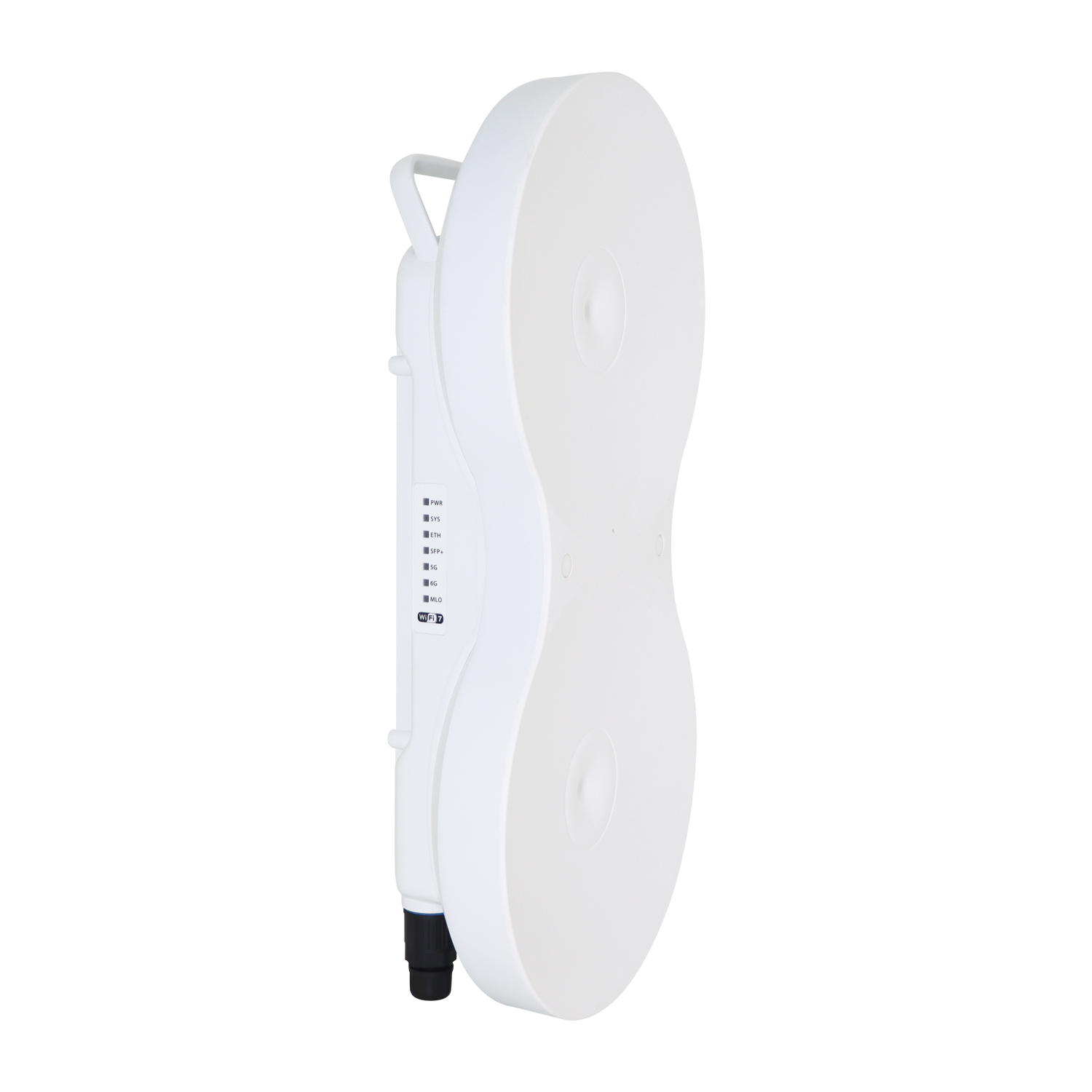
Skyline P56-X20 Pro
MULTI-LINK OPERATION WI-FI 7 PTP BACKHAUL RADIO
High-capacity PTP backbone and next-generation transport links
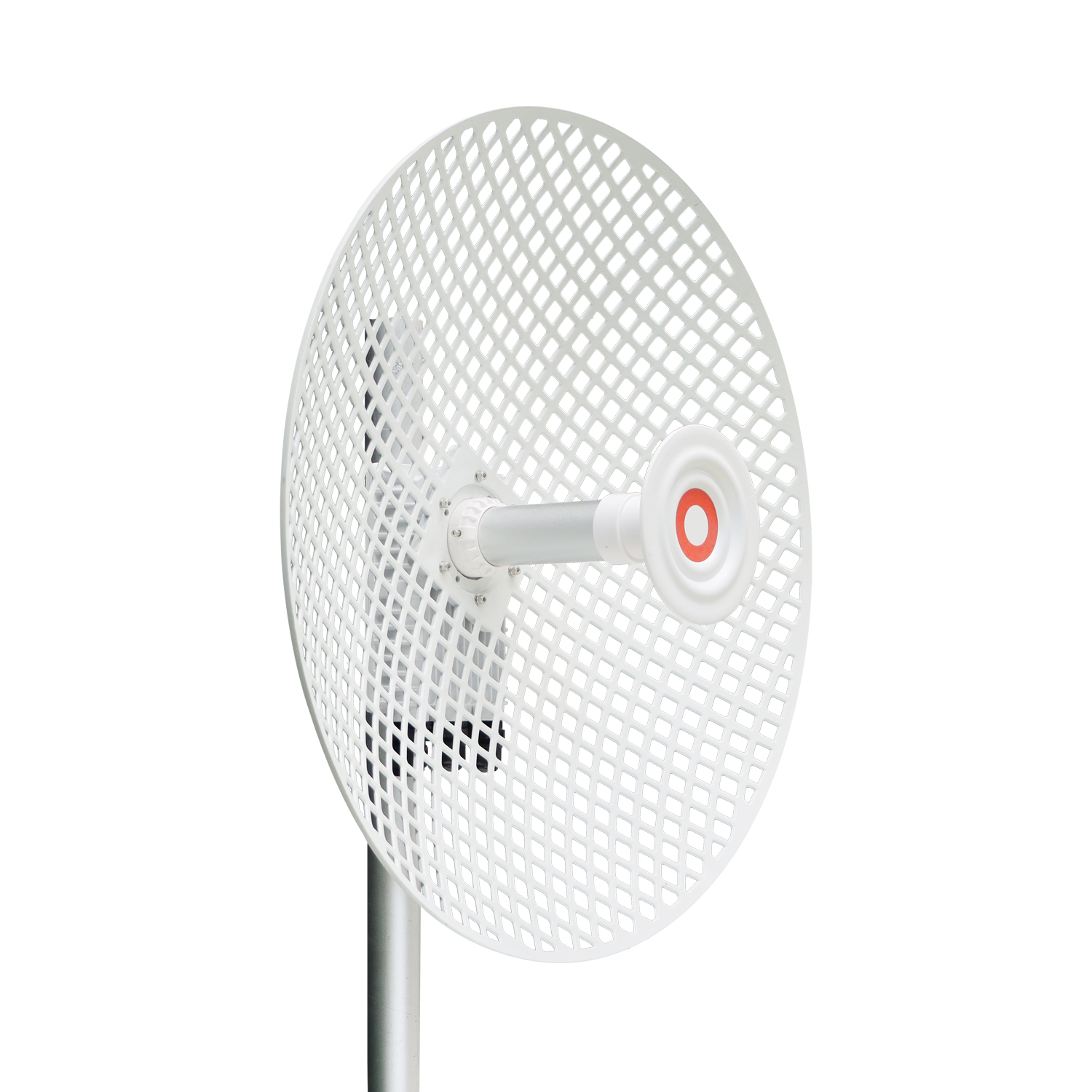
View detailsSkyline P5-X30
LONG-RANGE WI-FI 6 PTP RADIO WITH 30 dBi GRID ANTENNA
Long-range directional backhaul and remote site transport
View details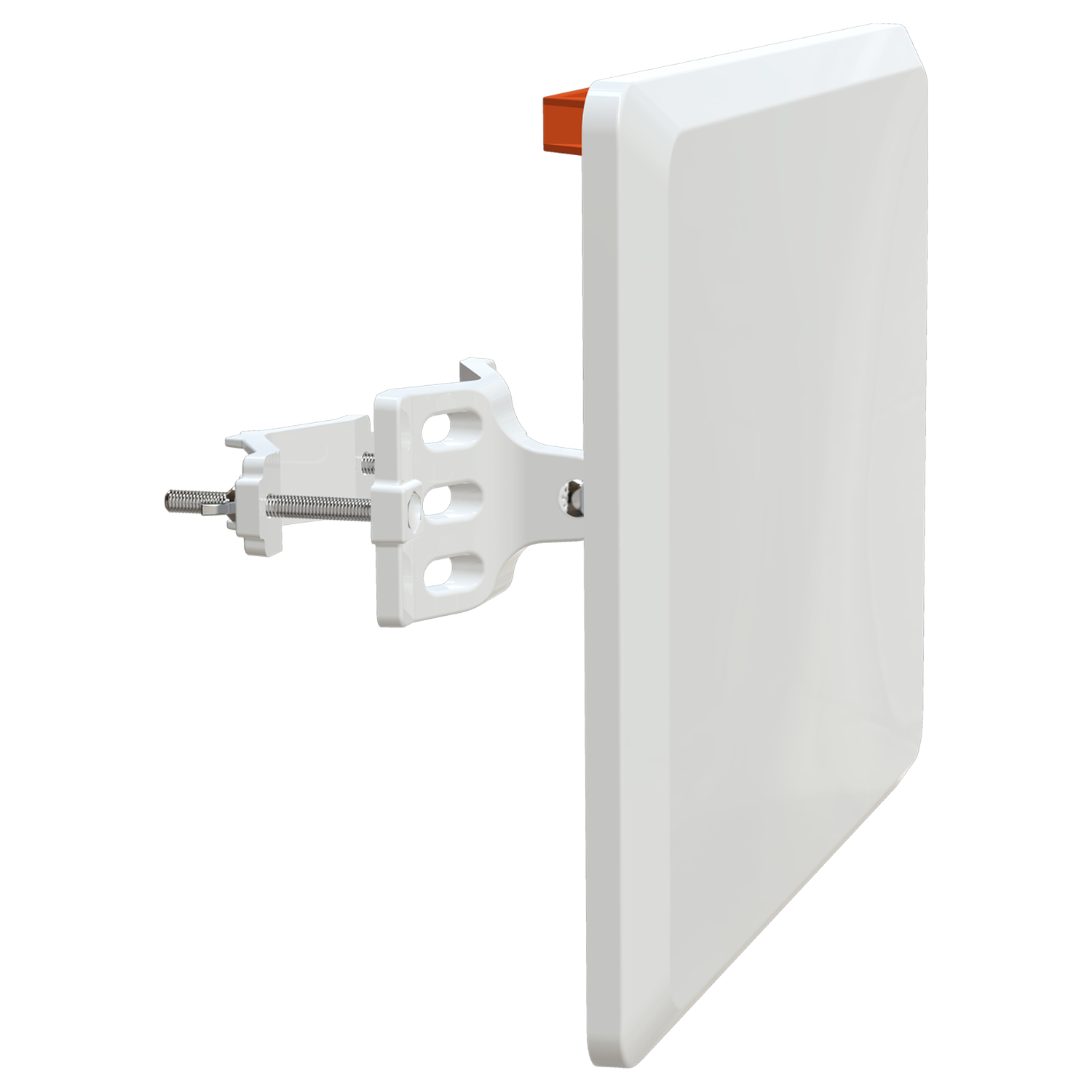
Skyline P5-X25
COMPACT WI-FI 6 PTP PANEL RADIO WITH 25 dBi ANTENNA
Compact PTP links for enterprise, campus, and short-to-mid range hops
View details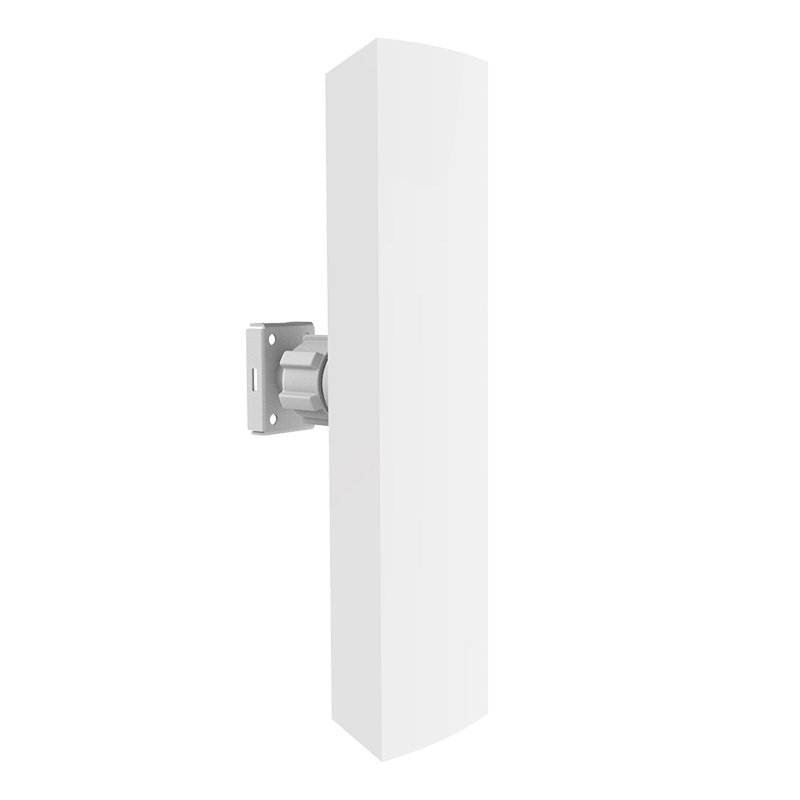
Skyline M5-S90-X16
WI-FI 6 OUTDOOR 90° SECTOR BASE STATION
PTMP hub sites, access distribution, and wide-area sector coverage
View details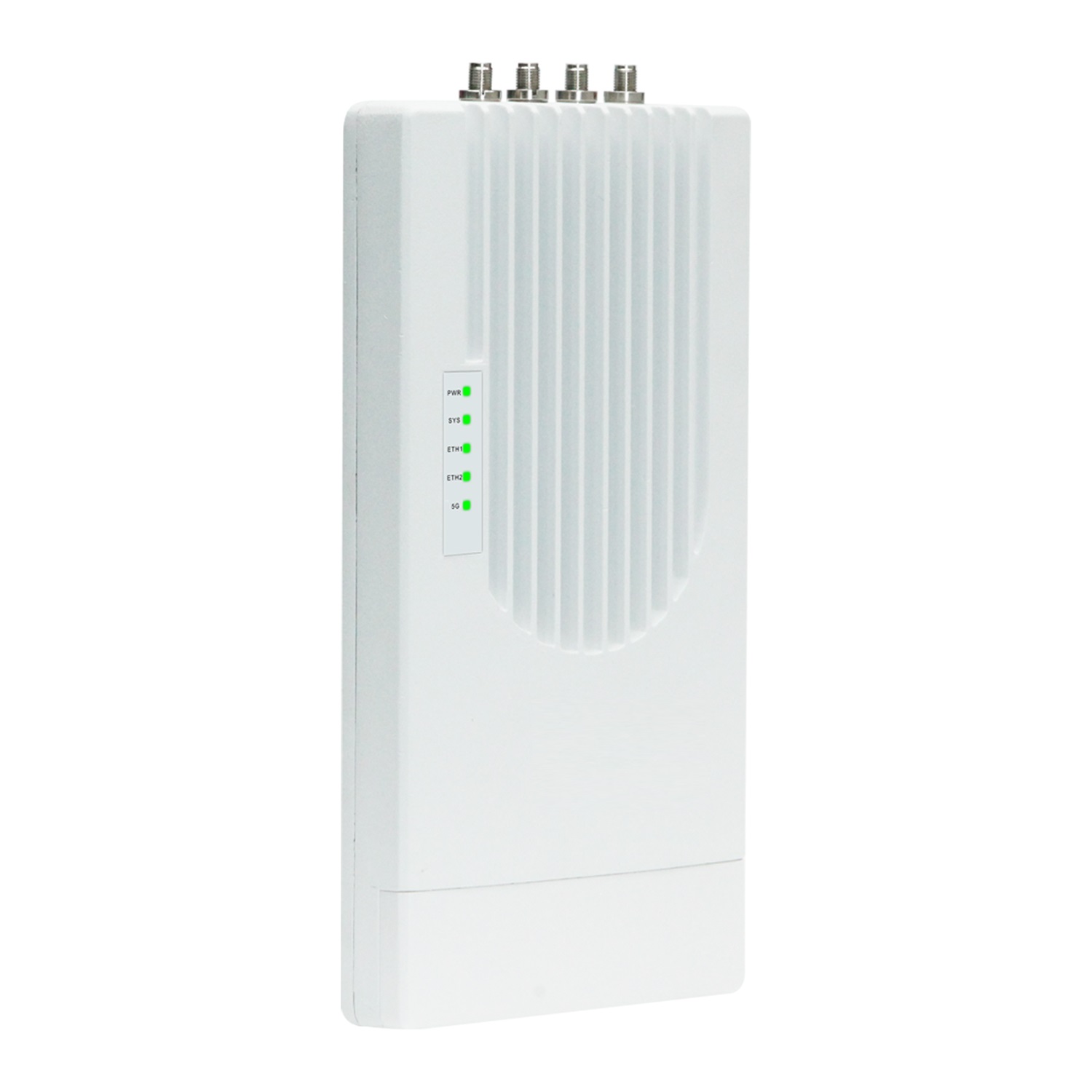
Skyline Flex-4X
CONNECTORIZED WI-FI 6 OUTDOOR RADIO FOR FLEXIBLE ANTENNA DEPLOYMENTS
Subscriber, edge, or custom-antenna attachment scenarios
View details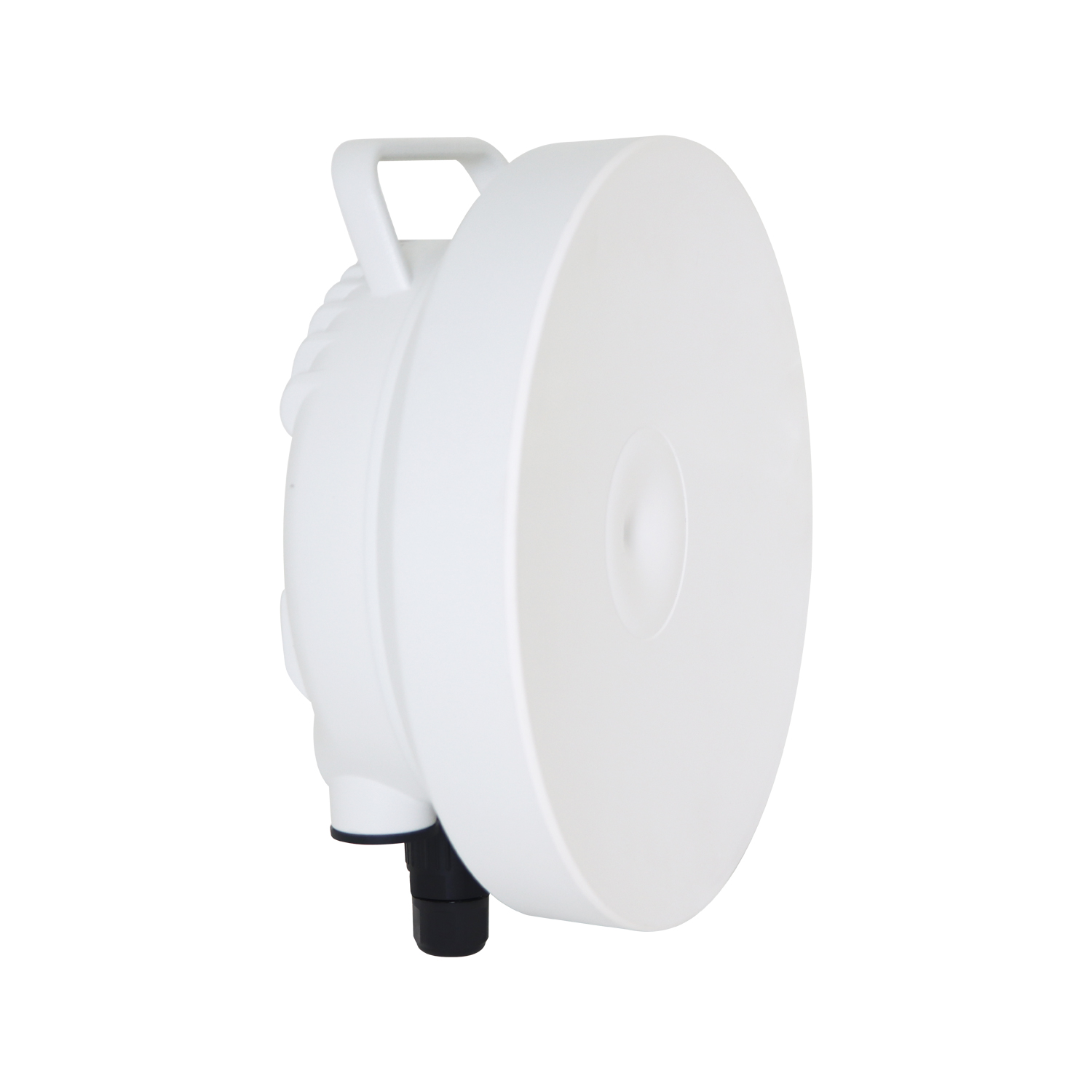
Skyline C5-X20 Pro
WI-FI 7 OUTDOOR CPE WITH 20 dBi INTEGRATED ANTENNA
Long-range outdoor CPE and edge PtP links on the 5/6 GHz Wi-Fi 7 band
View details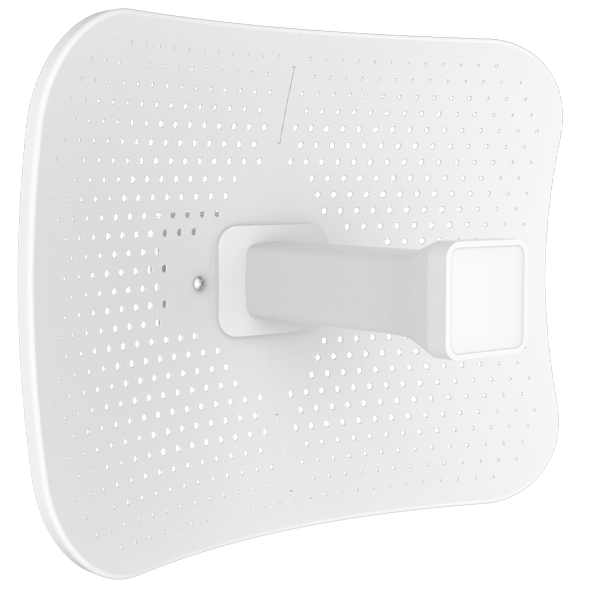
Skyline C5-AC23
COMPACT WI-FI 5 OUTDOOR CPE WITH 23 dBi DISH ANTENNA
Compact Wi-Fi 5 subscriber and edge CPE with 10 km dish reach
View detailsFixed Wireless vs. Fibre: typical deployment profile
This comparison is illustrative rather than absolute. Actual timelines, costs, and performance depend on permitting, route access, power, topology, site readiness, and RF conditions.
| Metric | Fibre | AINSORA Fixed Wireless |
|---|---|---|
| Typical deployment timeline | Often driven by civil works, permitting, and route access | Often driven by site readiness, mounting, alignment, and commissioning |
| Infrastructure requirements | Ducts, trenching, or existing dark fibre may be needed | Line-of-sight, mounting, power, and RF design are required |
| Capacity growth approach | May require additional fibre paths, optics, or construction changes | May be addressed through radio, antenna, or topology upgrades |
| Redundancy model | Separate physical fibre path often required | Wireless diversity path can often be added faster where sites permit |
| Remote site fit | Can become cost-heavy where access is difficult | Well suited where line-of-sight and practical mounting are available |
| Commercial profile | Strong long-term fit where fibre route economics work | Strong fit where time-to-service and lower civil works matter |
Built for real fixed wireless network roles
5G & LTE RAN Backhaul
Use directional PTP links to connect radio sites, rooftop nodes, or aggregation points where licensed microwave or new fibre is not the preferred first option. Product selection depends on path length, required throughput, mounting constraints, and the operational model of the RAN site.
ISP Last-Mile and FWA Architectures
A sector hub plus edge radios can form the basis of a PTMP access design for villages, peri-urban districts, or underserved zones. Backbone radios then feed those sectors from upstream aggregation points. The right design still depends on subscriber density, oversubscription model, and spectrum conditions.
Enterprise and Industrial Campus Interconnect
Connect plants, warehouses, utility yards, or campus buildings where trenching is impractical or disruptive. The portfolio supports projects that need rapid deployment, outdoor resilience, and predictable integration into existing switching, surveillance, voice, or operational networks.
Smart City and Critical Infrastructure Connectivity
Municipal, transport, and utility projects often need distributed connectivity for CCTV, telemetry, traffic systems, substations, or remote operational sites. Fixed wireless can provide backbone and extension paths where rugged outdoor design and centralized fleet visibility are required.
Rural Broadband and Remote Site Connectivity
For remote communities, agricultural operations, and sparse industrial locations, fixed wireless can reduce the civil-works burden compared with new fibre routes. Long-range directional designs, pre-staging, and careful site surveys are especially important in these environments.
Discuss your topology, path assumptions, and rollout plan
Talk to our solutions team about link budgeting, product selection, redundancy strategy, and deployment planning for your next fixed wireless project.
Contact Us